


Ayurvedic cream for psoriasis and Eczema
Ayurvedic Cream For Psoriasis
Ayurvedic cream for psoriasis and Eczema
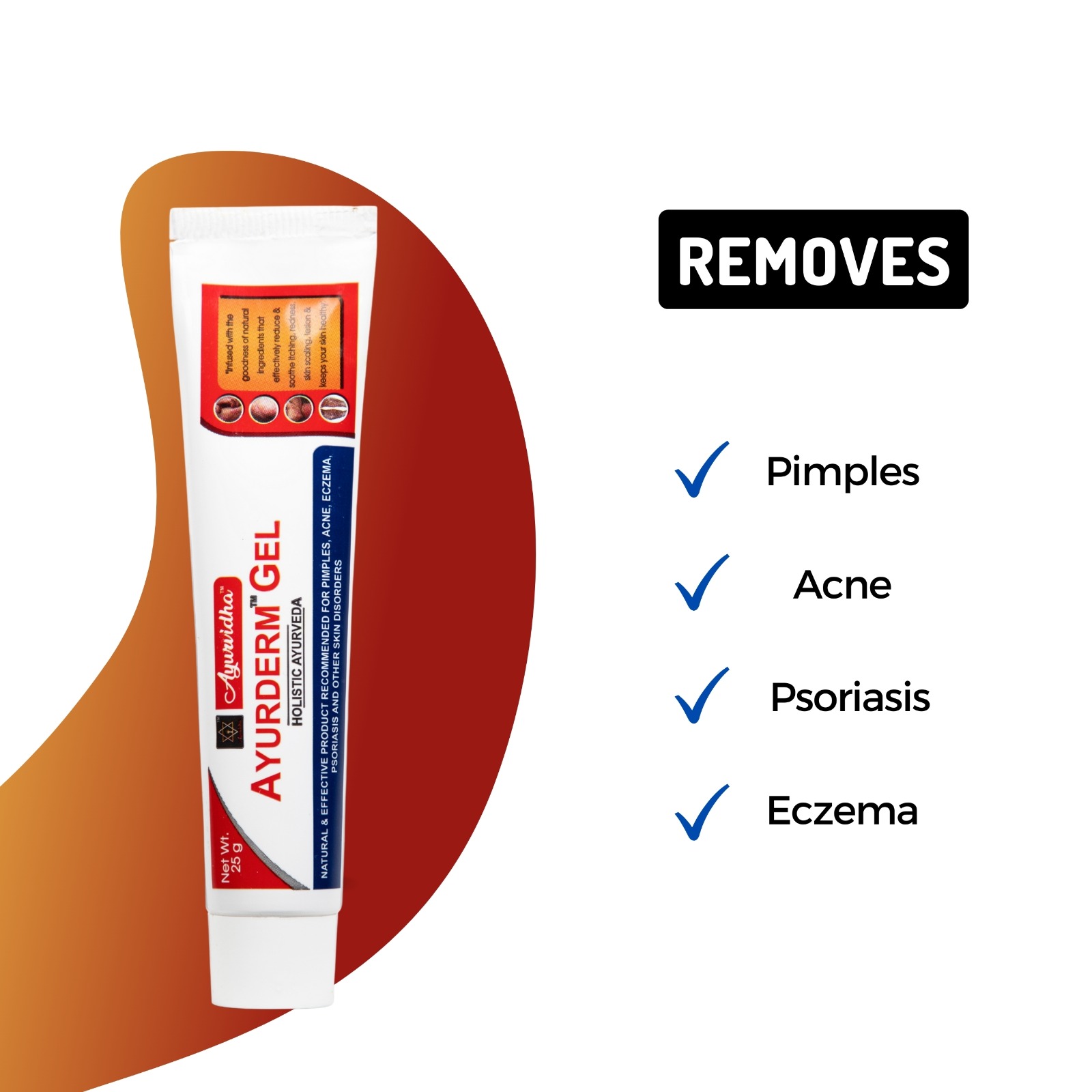
To resolve these issues, a few diet and lifestyle changes are highly recommended, such as
Keeping away from packaged food.
Water intake must be increased as per the body weight.
Herbal soaps should be used to wash the face frequently.
Irritant cosmetics should be kept at bay.
Acne lesions must be left untouched.
Ayurveda and psoriasis
Some people use Ayurvedic treatments to soothe psoriasis symptoms.
A person with psoriasis could use Ayurvedic preparations on their skin.
One of the most common topical preparations in Ayurvedic medicine contains turmeric. Manufacturers produce turmeric from a plant root similar to ginger.
Turmeric usually features in cooking. However, people can also mix it into a paste and apply it to the skin.
Meditation and movement
Ayurveda practitioners emphasize a balance of three “elements,” which they define as
A person’s universe.
The body’s constitution, or “Prakriti”.
The body’s life forces, or “dosha”.
One way a person can keep these in balance is through reducing stress and anxiety.
Meditation and the practice of “Pranayama,” a method of controlled breathing techniques, may benefit a person in reducing their psoriasis.
These mindfulness techniques could benefit an individual’s overall well-being. As stress is a potential trigger for psoriasis flares, reducing stress levels through these relaxation techniques could help prevent a flare.
Dietary changes.
Ayurvedic practices typically revolve around a vegetarian diet. Also, foods to avoid include high-carbohydrate ingredients and products that contain large amounts of sugar.
Also, Ayurvedic practices suggest a person should avoid foods that are “in the extreme,” such as tastes that are too salty, too sour, or too acidic.
Ayurveda practitioners recommend that a person “listen” to their body. By responding to urges to urinate or defecate, for example, they clear their body of toxins.
While dietary changes cannot directly treat psoriasis, the Department of Dermatology at the University of California-San Francisco (UCSF) School of Medicine did a survey of dietary habits among people with psoriasis.
that people on specialized diets, such as a vegan, and paleo or high-protein and low-carb diet, saw improvements in symptoms. This conclusion supports Ayurvedic dietary choices as potentially healthful for people with psoriasis.
Topical solutions
As well as turmeric, there are many other Ayurvedic compounds and herbs available, and several could potentially benefit people with psoriasis.
Ayurvedic herbs people have used to treat psoriasis include
Black nightshade
Boswellia, or frankincense
Garlic
Guggul
Jasmine flower paste
Neem
The National Psoriasis Foundation recommends topical aloe vera for soothing itchy skin. They advise people to choose creams that have 0.5% aloe content.
Only anecdotal evidence supports the effectiveness of other treatments. While they may support overall health, no research supports their use as treatments for psoriasis.
However, if they provide relief, and people do not experience side effects after using them, they are safe to try. A person with psoriasis can consider using these treatments as complementary alongside scientifically-supported remedies.
People should ask their doctor’s advice before including Ayurvedic herbs in their regimen.
Baths and moisturizers
Having regular baths helps keep areas of psoriasis lesions clean and soft. Additionally, baths can be soothing and reduce stress, which may offer further benefits in cutting the incidence of psoriasis flares.
Applying natural soothing oils, such as coconut or olive oils, may help to soften the skin and relieve the itching and discomfort of psoriasis.
Research
Some herbs and organic products, such as turmeric and aloe vera, are already common in managing psoriasis. The meditation and yoga practices that accompany Ayurveda might also help people with psoriasis support their wellness and psychological health.
However, scientific evidence for the positive effects of Ayurveda on psoriatic skin is minimal or too small-scale for wider application.
If psoriasis symptoms become moderate-to-severe or do not respond to alternative therapies, people should speak with their doctor about other options.